
News
US consumers want food products that are cheap, tasty, and healthy, survey shows
14 Jun 2023
From cost cutting to sustainability and health considerations: a recent survey by the International Food Information Council (IFIC) reveals the changing consumption habits of US consumers.
Cost remains a key driver of consumer demand in 2023, the results of a recent survey show. The study, involving over 1,000 US food and beverage consumers, follows months of record-high inflation fuelled by various socio-political factors including the war in Ukraine, extreme weather conditions, and fallout from the COVID-19 pandemic. The IFIC is a US-based non-profit organisation which conducts and communicates science-based research around sustainable food systems, focussing on safety and nutrition.
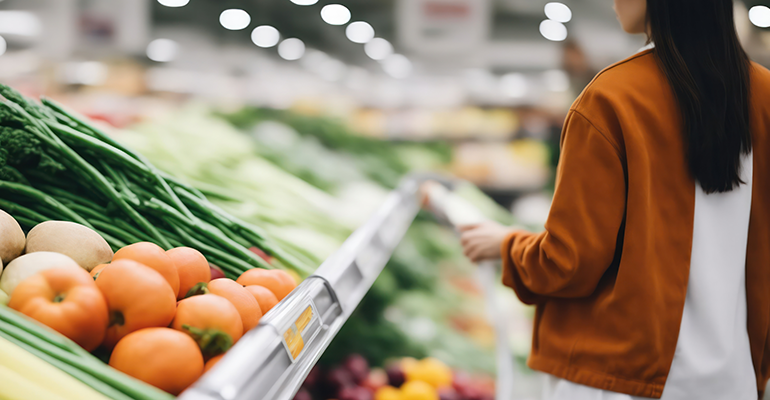
Consumers are trading down to cut costs
Consumers in the US are increasingly looking to cut costs at the supermarket, with close to eight in 10 (78%) survey respondents stating that price highly impacts their food and beverage purchases. This figure represents an eight-point increase from 2022, indicating a growing concern and demand for affordability, especially amongst female consumers and baby boomers (those aged from 59 to 68 years old).
Consumers across the board are feeling the inflationary pinch, with most respondents (91%) reporting to have experienced a surge in the overall cost of food products in the past year. To offset rising costs, almost half of those surveyed have opted for cheaper products or brands, chosen non-premium or own-brand alternatives, or have reduced their consumption of non-essential items.
Taste, price, and healthiness top the list of consumer considerations
While price is pivotal in influencing consumer demand, taste is still the primary driver for food and beverage purchases, rising in importance from 80% to 87% in 2023, the survey shows. Healthiness also ranks high among consumers, with over six in 10 (62%) considering it a key factor impacting food purchasing decisions. Yet while interest in the link between diet and health is growing, cost and taste continue to trump nutritional value for most.
 © AdobeStock/studio v-zwoelf
Despite more than half of consumers (56%) saying they would be willing to pay a premium for a snack labelled as healthy by the Food and Drug Administration (FDA), around a third (28%) reported choosing less healthy products as a result of recent price hikes.
Paying greater attention to health, more consumers are limiting sugars in attempt to improve their diet (45%), avoid weight gain (42%), and prevent health conditions (35%). Nevertheless, more than a third (36%) choose not to limit sugars because they like sweet tasting food and drinks.
Sustainability concerns gain ground amongst young and minority populations
Consumers are increasingly aware of the social and environmental impact of the products they consume. Close to half (46%) of shoppers believe it is important to know that the workers involved in producing food products are treated fairly and equitably, especially those consumers identifying as Black American.
 © AdobeStock/tigercat_lpg
US shoppers rely on food labels and manufacturers' websites for information regarding fair and equitable treatment of workers, the survey revealed. Yet where cost is concerned, a higher majority of consumers (53%) would purchase a $3 product over more expensive ($5) yet more ethically sustainable alternative (47%). This 6-point margin, while shrinking significantly from the previous year (22 points), indicates that consumers are increasingly aware of the socio-political footprint of products, yet are unwilling to compromise on price.
Environmental sustainability and climate friendliness, still lag behind other factors in influencing purchasing decisions, with only 34% and 35% of respondents respectively deeming them highly impactful. Millennials show a greater inclination towards climate friendliness compared to other generations, with 46% expressing concern. For those who prioritise environmental sustainability, categories such as meat and poultry (62%), fresh fruit and vegetables (55%), and dairy (50%), as well as solutions including recyclable (43%) and reusable packaging (37%) are of particular interest.
Conversely, consumer awareness of and interest in environment-related sustainability labels on food and drink packaging is low, with only 12% of consumers reporting that they regularly purchase products labelled as having a small carbon footprint.
Related news

Oat Barista: Innovation for game-changing beverages
20 Nov 2025
Oat Barista is a clean label, sustainable, and innovative drink base specifically designed to create the perfect foam in one single ingredient.
Read more
How younger consumers are redefining ingredient choices and rejecting brand loyalty
18 Nov 2025
Gen Z and millennial consumers’ preferences for transparency, functionality, and purpose are “redefining the very nature of consumption itself”, says SPINS.
Read more
Hybrid formats and flexible positioning to disrupt category norms in 2026
17 Nov 2025
Trend forecasters expect food and drink to move more fluidly across occasions, functions, and formats as consumers seek versatility, novelty, and convenience.
Read more
Danone highlights digestive health as potential ‘tipping point’ for food industry
13 Nov 2025
Danone is betting on a food industry “tipping point” that will bloat the market for healthy products, particularly those related to gut health.
Read more
New UPF standard hoped to offer consumers ‘coherence and clarity’
10 Nov 2025
Ingredients companies are being urged to enter “a new era of partnership and innovation” following the launch of the industry’s first non-UPF verification scheme.
Read more
Faravelli at Fi Europe: Showcasing FARA® functional solutions for food and nutra
28 Oct 2025
At Fi Europe 2025 in Paris (stand 72M39), Faravelli showcases FARA® Customized Functional Solutions and a wide ingredient portfolio for food and nutra – delivering quality, innovation, and expertise.
Read more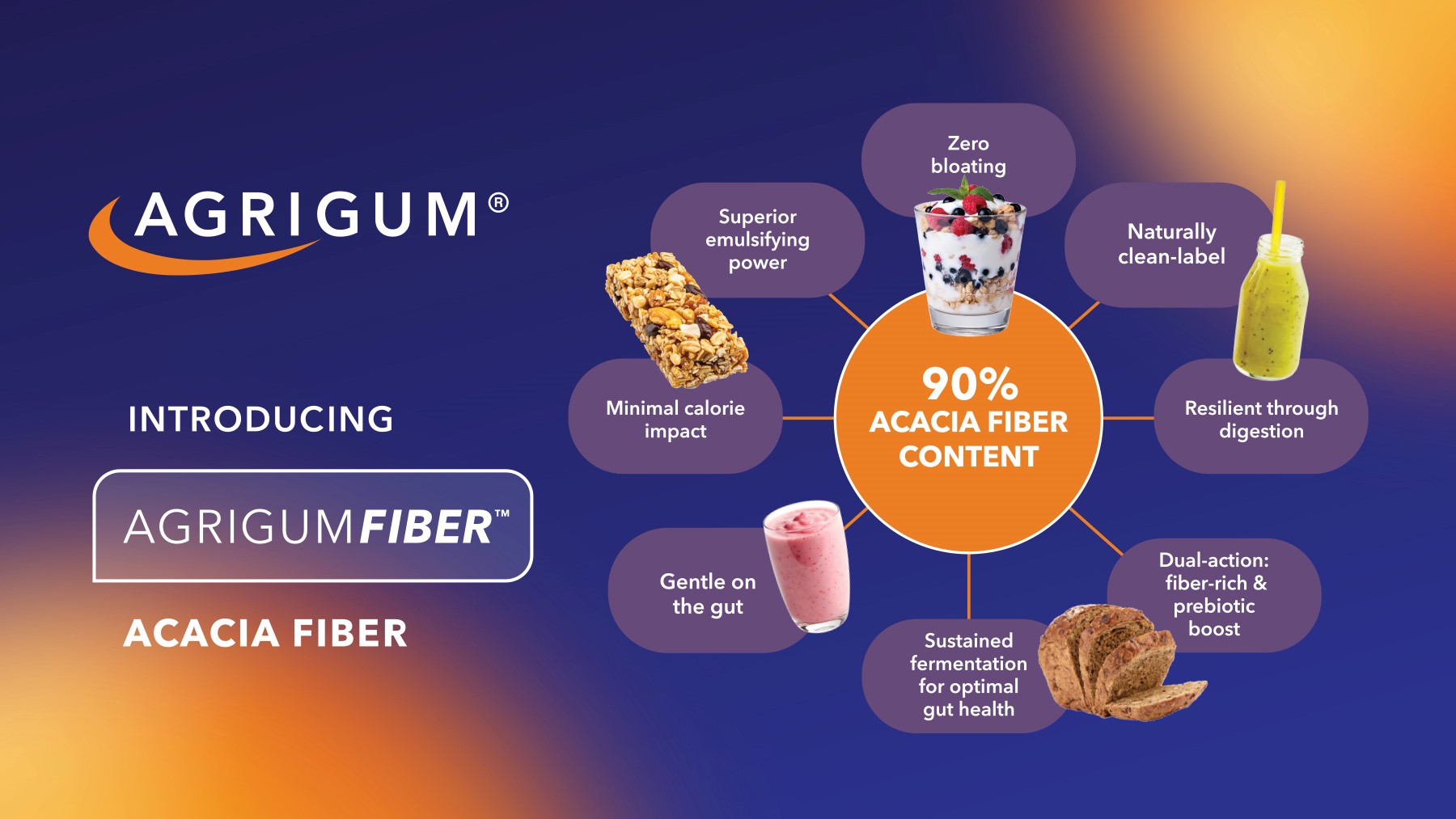
Agrigum Redefined FIBER
27 Oct 2025
Agrigum has transformed gum acacia into a natural, science-backed fibre that supports gut health, sustainability, and innovation across global food and nutrition applications.
Read more
Expanding boundaries in food & beverage innovation
23 Oct 2025
IMCD and FrieslandCampina Professional expand partnership to deliver Kievit® across EMEA, enabling brands to enhance quality and accelerate time-to-market for tomorrow’s food & beverage creations.
Read more
Amazon Grocery launch aims to balance quality with affordability
22 Oct 2025
Global e-commerce giant Amazon has introduced a new private-label food brand, combining existing Amazon Fresh and Happy Belly products with new everyday items.
Read more
Powerade enters hydration space with launch of Power Water
21 Oct 2025
Coca-Cola’s Powerade brand has launched a zero-sugar, electrolyte-enhanced functional water, marking the brand's entry into the hydration space.
Read more