
News
Pet food generates buzz for using insect protein
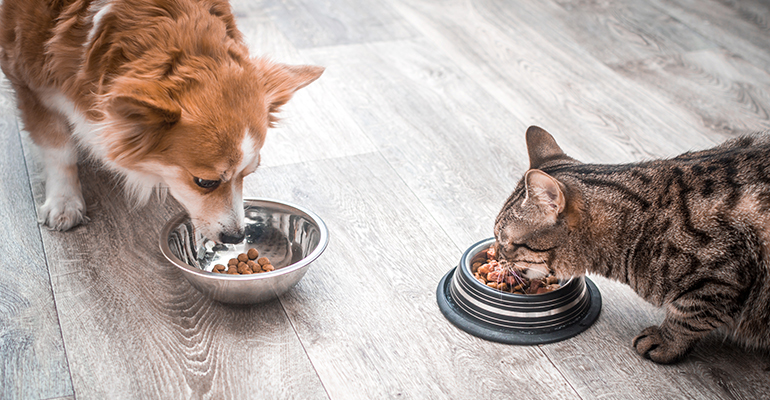
22 Feb 2022Pets consume a significant amount of protein, but as concerns about human protein consumption continue to rise, pet owners are beginning to scrutinize their pets’ diets in addition to their own. As a result, alternative proteins for pet food are coming into vogue with insect protein gaining a position as a popular option.
Whether it is crickets, mealworms or black soldier flies, experts are touting that insects are rich in protein and that these small creatures may be more beneficial to a pet’s diet than prime steak. And this enthusiasm behind the protein does not just lie with consumers; the British Veterinary Association endorsed insects as a pet food ingredient. Insects are not only good for pets, but they are also good for the environment. Studies have shown that sourcing protein from bugs is a decision that can help curb the huge carbon emissions associated with pet food.
Protix, a Dutch manufacturer of insect protein that recently raised €50 million ($57.2 million) in investment, said that substituting insects protein into animal food has the ability to prevent over-fishing and deforestation. In fact, in North America alone, 25-30% of meat produced in the country is used to make pet food. But that continent is not alone in racking up emissions for pet food production.
"Greenhouse gas emissions from pet food production are estimated to be as high as those of large countries,” said Paula Huerta Andres from the insect technology startup FeedWerkz team. To combat these emissions, the Singaporean startup recently launched a range of pet food products made with black soldier flies.
Black soldier flies are particularly popular in pet feed products. Protix, which claims to have the world’s largest insect farm, is using its recent funding to expand internationally to provide yet more companies with access to this alternative protein. In North America, startups like Canada’s Hope Pet Food use black fly larvae in its Berry Buglicious dog treats. However, these flies and their larvae are not the only option available to pet food manufacturers.
Companies like Neo Bites out of Texas are placing bets with cricket protein. The concern about the environmental impact of pet food has prompted even large corporations to experiment with this alternative protein. Both Mars and Nestle’s pet food divisions have begun selling options with insects.
Consumers that are looking at their environmental footprint are making a researched-backed choice when selecting insect-powered food for their pets. According to a 2017 Dutch review study, insect farms use fewer resources, emit fewer greenhouse gasses and have higher protein content for the inputs as compared to livestock production.
This shift in attention to the protein content in animal nutrition could have a significant impact on the overall pet food industry. According to Future Market Insights, global animal-based pet protein market will grow at a compound annual growth rate of 4.4% to reach $117.8 billion (€104.2 billion) from 2022 until 2032. If insect protein begins to take a bite out of this market, there could be significant growth for both insect manufacturers as well as pet food producers that are beginning to introduce this protein source into their brands.
Related news
Soy story: WWF scores UK supermarkets on sustainability efforts
12 Nov 2025
WWF has published its latest “Soy Scorecard”, ranking UK supermarkets’ efforts to combat deforestation and land conversion in their soy supply chains.
Read more
Standing Ovation and Bel scale up casein production from dairy co-products
11 Nov 2025
Foodtech company Standing Ovation has partnered with cheese specialist Bel Group to manufacture dairy serums for industrial-scale casein production via precision fermentation.
Read more
New UPF standard hoped to offer consumers ‘coherence and clarity’
10 Nov 2025
Ingredients companies are being urged to enter “a new era of partnership and innovation” following the launch of the industry’s first non-UPF verification scheme.
Read more
Whistleblowers accuse UK meat industry of promoting cheap, unsustainable supply
7 Nov 2025
An anonymous group of industry insiders has accused the UK’s biggest food companies of systematically driving down meat quality and welfare standards.
Read more
Bord Bia presents Irish dairy ingredient suppliers at Fi Europe
6 Nov 2025
Dairygold Co-operative Society, The Carbery Group, and Ornua Co-operative: Meet with sustainable producers of Irish dairy ingredients at Food ingredients Europe 2025, Hall 7.2 Stand M18.
Read more
AI attraction means foodtech startups must ‘prove’ rather than ‘promise’
4 Nov 2025
Reports suggest that artificial intelligence (AI) is sucking investment from foodtech and agritech, but investors say the picture is complicated.
Read more
Penguin and Club bars no longer classed as chocolate
30 Oct 2025
Penguin and Club bars can no longer be classified as chocolate after the pladis-owned McVitie’s brands turned to cheaper alternatives amid the ongoing cocoa crisis.
Read more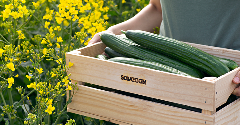
Could plant-based protection replace plastic packaging?
29 Oct 2025
Swedish foodtech company Saveggy has launched an additive-free plant-based protection for cucumbers, offering a waste-free packaging solution for fruit and vegetables.
Read more
Does promoting protein content push up plant-based sales?
27 Oct 2025
Promoting the protein content of meat-free products is a more effective sales strategy than adding carbon labels, a study of UK bakery chain Greggs suggests.
Read more
Amazon Grocery launch aims to balance quality with affordability
22 Oct 2025
Global e-commerce giant Amazon has introduced a new private-label food brand, combining existing Amazon Fresh and Happy Belly products with new everyday items.
Read more