
Sponsored Content
Monkfruit – natural, sweet and finally approved by the FSA
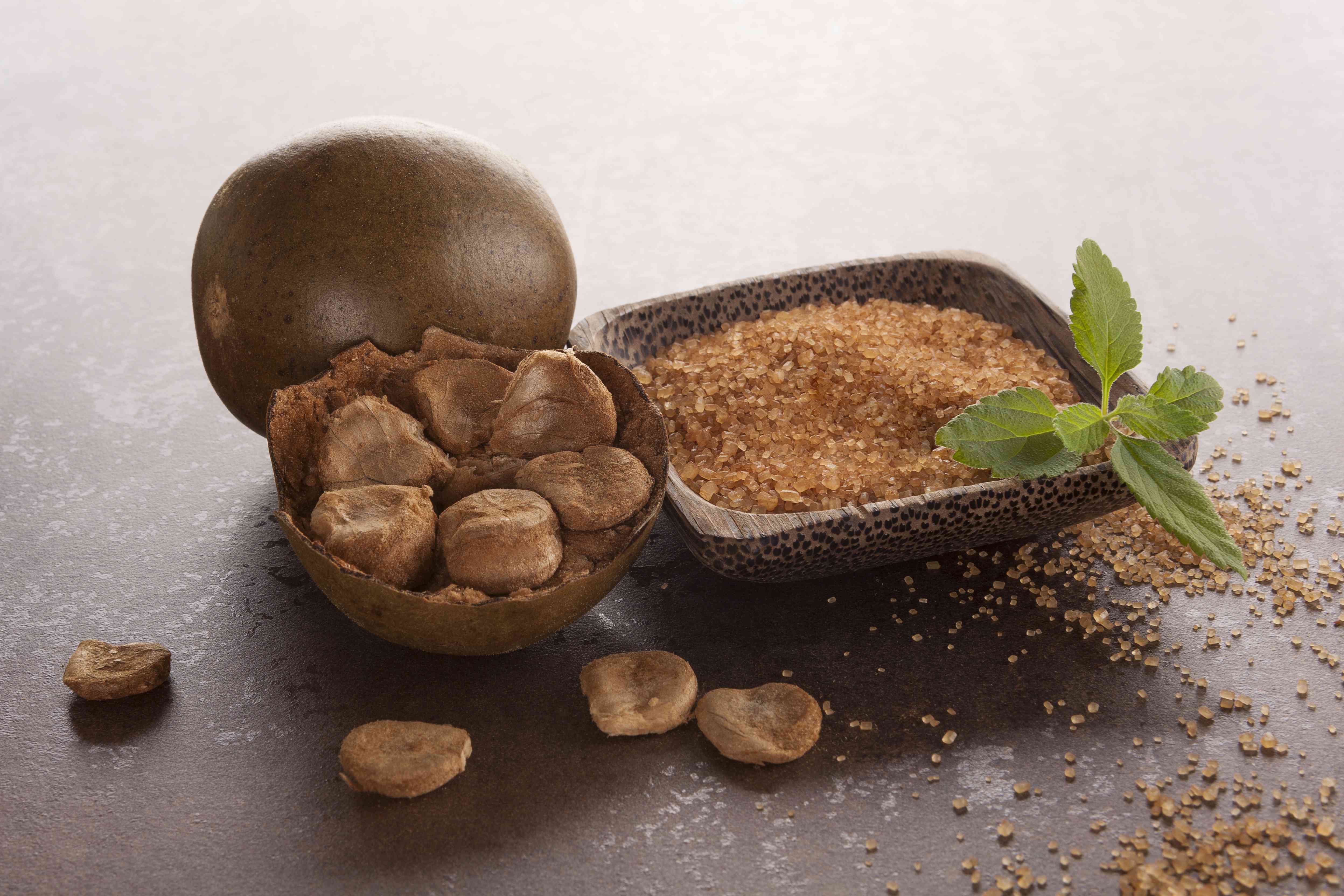
9 Jul 2024In a significant regulatory update, the UK’s Food Standards Agency (FSA) has announced that monk fruit, particularly in its non-selective aqueous decoction form, is no longer considered a novel food. This landmark decision came after an extensive review prompted by evidence submitted by Monk Fruit Corp., showcasing the safety and traditional use of monk fruit.
Background and Implications
Monk fruit, known for its natural sweetness and low-calorie properties, has been used in traditional Chinese medicine for centuries. However, its use as a food ingredient in the UK was previously restricted under the European Union’s novel food regulations, which require a comprehensive safety assessment for foods not widely consumed in the EU before May 1997. The FSA’s new ruling liberates monk fruit from these constraints, allowing its incorporation into a wider range of food and beverage products in the UK without the need for prior authorization.
This regulatory shift reflects a growing trend towards accepting traditional and naturally derived ingredients, aligning with consumer demand for healthier and more natural food options. The decision is expected to have a ripple effect, encouraging innovation in product formulation among UK manufacturers.
Industry Response
The food industry has welcomed the FSA’s decision with enthusiasm. Monk Fruit Corp., the leading advocate for this change, expressed optimism about the potential growth and adoption of monk fruit as a mainstream sweetener. “This ruling is a breakthrough for both manufacturers and consumers,” stated a spokesperson from the company. “It not only provides an opportunity to reduce sugar intake but also supports the development of healthier food products.”
UK food manufacturers are now poised to explore the benefits of monk fruit in various applications, from beverages to baked goods. The ingredient’s high sweetness intensity, coupled with its low-calorie content, makes it an attractive alternative to traditional sugars and artificial sweeteners.
Potential EU Implications
While the FSA’s decision applies solely to the UK, it could influence future regulatory considerations within the European Union. As the EU continues to navigate post-Brexit regulatory landscapes, the acceptance of monk fruit in the UK may prompt a re-evaluation of its status within EU member states. This could lead to a broader acceptance and harmonization of regulations concerning naturally derived sweeteners.
Conclusion
The FSA’s ruling on monk fruit marks a pivotal moment for the food industry, opening doors to innovation and healthier product offerings. As consumers increasingly seek natural and low-calorie alternatives, the acceptance of monk fruit in the UK could set a precedent for other regulatory bodies worldwide. Food manufacturers now have a valuable tool to meet the growing demand for healthier, sugar-reduced products, paving the way for a new era in food formulation and consumer health.
Companies mentioned

Related news
Benefits of using natural antioxidants in food
20 Nov 2025
The dietary habits of individuals are undergoing a transformation, with consumers increasingly seeking new, healthier, and higher-quality formulas. This shift signifies a growing awareness of food ingredients, including preservatives, additives, a...
Read more
Oat Barista: Innovation for game-changing beverages
20 Nov 2025
Oat Barista is a clean label, sustainable, and innovative drink base specifically designed to create the perfect foam in one single ingredient.
Read more
The Umami Renaissance: Clean Label & Cost Control with Ready-to-Use Fungal Bases
19 Nov 2025
Consumers demand authentic, rich flavor (Umami) and simple labels. The fungal protein market is growing at a 5.6% CAGR, offering manufacturers the solution: heat-stable, natural bases that eliminate prep costs and supply risks associated with raw wild ...
Read more
Azelis brings a taste of global street food innovation to Food Ingredients Europe 2025
18 Nov 2025
Azelis, the reference innovation service provider in the speciality chemicals and food ingredients industry, will showcase its latest Food & Nutrition innovations at Food Ingredients Europe (FiE) 2025, taking place from 2 to 4 December at Paris Expo Po...
Read more
PharmaLinea acquired by ANJAC Health & Beauty Group
18 Nov 2025
Ljubljana, 12.11. 2025 PharmaLinea, a leading provider of clinically supported private label food supplements has announced its acquisition by ANJAC Health & Beauty, a French industrial group that now comprises 17 complementary companies with R&D an...
Read more
The Heat Test: How Encapsulation and Bases are Ending the Multi-Billion Dollar Flavor Fade
18 Nov 2025
Flavor degradation during heat processing is a major financial risk in food manufacturing. In 2025, R&D is shifting to advanced encapsulation and heat-stable bases to protect volatile flavor compounds and ensure final product consistency.
Read more
Use Case Spotlight: Versatile Bases Solve Key Challenges in Ready Meals, Sauces, and Cheese
17 Nov 2025
Ready-to-use bases are the manufacturing solution for the $425 Billion RTE market. Our versatile ingredients solve core issues in three top categories: taste, clean-label compliance, and complex texture stability.
Read more
Hilmar Cheese & Whey Protein Awarded Medals
17 Nov 2025
Hilmar Cheese Company, Inc. was awarded top honors at the CheeseCon banquet celebrating the United States Championship Cheese Contest® on April 17, 2025.
Read more
Hilmar Cuts the Ribbon at New Dodge City Facility
17 Nov 2025
Hilmar Cheese Company, Inc., one of the world’s largest cheese manufacturers and a global supplier of high-quality whey ingredients was joined by Kansas Governor Kelly, U.S. Senator Moran and other federal, state and local officials to officially mark ...
Read more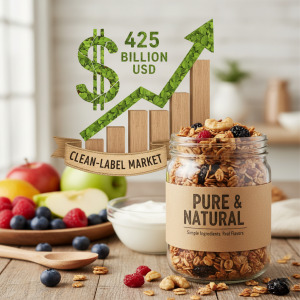
Data Insight: Clean-Label Adoption Drives US$425 Billion Market, Prioritizing Simplicity and Natural Flavors
14 Nov 2025
The Clean Label Products market is projected to grow from US$425.32 billion in 2025 to over US$712 billion by 2034, driven by consumers prioritizing recognizability, minimal processing, and natural ingredient replacement.
Read more