
News
Kombucha Brewers International releases code of practice to standardize kombucha
3 Aug 2020U.S. kombucha trade association Kombucha Brewers International (KBI) established a code of practice that outlines the quality standards for the production of this fermented beverage. The trade group is also working on releasing a seal for manufacturers looking to identify their kombucha as “authentic.”
This standardized code requires that kombucha be made with only tea leaves, natural sweeteners, water and Symbiotic Culture of Bacteria and Yeast (SCOBY). As many of kombucha brands sweeten their drinks, flavoring is allowed under the guidelines but may not exceed 20% of the finished products.
Of course there are plenty of other kombucha drinks that are made without the use of tea leaves and the code of practice provides provisions for them. While fermented beverages made with herbs, coffee, honey or yerba mate are not considered “traditional kombucha,” they may use the term “kombucha” with a qualifying adjective.
There is a special category called “Processed Kombucha,” which is defined as “any type of kombucha to which a process has been applied to the product outside the traditional manufacturing process. Examples include pasteurization, dealcoholization, filtration, filter sterilization or any other process that changes the nature of traditional kombucha.”
Distinguishing this category is an important change within the kombucha industry that has been beset by lawsuits in recent years. Questions about alcohol content in these fermented tea beverages have resulted in a slew of class action legal cases against companies, including Health-Ade and Brew Dr. To try and correct the alcohol levels in these beverages, which many times results from prolonged fermentation in a bottle, some manufactures have relied on heat treatments and filtering to slow the transformation of sugar into ethanol.
Other manufacturers are lobbying to raise the allowable alcohol content from 0.5% to 1.25% in order to provide a larger buffer for the development of alcohol while kombucha remains on the shelf. In the KBI code of practice, the alcohol level is established at between 0% and 3.2%.
Through standardizing the definition of kombucha, this code of practice is attempting to bridge this division in approaches and "create a food safety and quality standard for kombucha producers that creates transparency for consumers to make informed choices.” However, not all manufacturers believe this approach is beneficial.
“Unfortunately, these definitions are being manipulated to protect producers that are funding KBI to lobby for regulation changes that would bring the legal non-alcoholic threshold of kombucha to 1.2%. They are a way to distinguish brands from one another and are not aimed at customer protection whatsoever,” Aqua ViTea founder Jeff Weaber told Ingredients Network in a statement.
However, having the ability to clearly define this beverage and offer an official label has the ability to go a long way in giving consumers confidence in these products, whose popularity has grown rapidly. The kombucha market is anticipated to reach $7 billion by 2027 with a compound annual growth rate of 19.7%, according to Grand View Research.
Related news
Oat Barista: Innovation for game-changing beverages
20 Nov 2025
Oat Barista is a clean label, sustainable, and innovative drink base specifically designed to create the perfect foam in one single ingredient.
Read more
How younger consumers are redefining ingredient choices and rejecting brand loyalty
18 Nov 2025
Gen Z and millennial consumers’ preferences for transparency, functionality, and purpose are “redefining the very nature of consumption itself”, says SPINS.
Read more
Hybrid formats and flexible positioning to disrupt category norms in 2026
17 Nov 2025
Trend forecasters expect food and drink to move more fluidly across occasions, functions, and formats as consumers seek versatility, novelty, and convenience.
Read more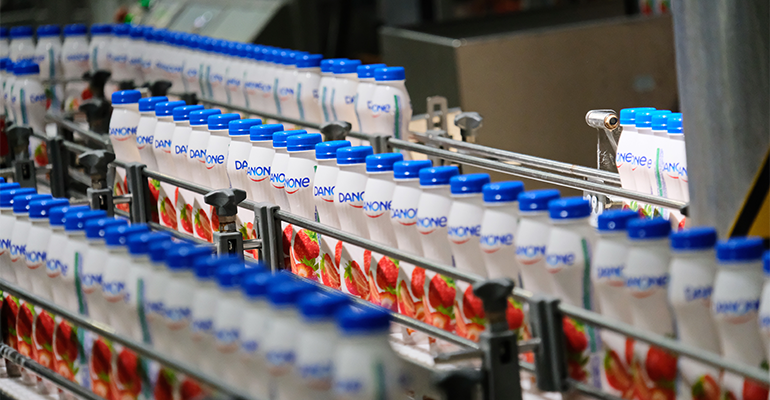
Danone highlights digestive health as potential ‘tipping point’ for food industry
13 Nov 2025
Danone is betting on a food industry “tipping point” that will bloat the market for healthy products, particularly those related to gut health.
Read more
New UPF standard hoped to offer consumers ‘coherence and clarity’
10 Nov 2025
Ingredients companies are being urged to enter “a new era of partnership and innovation” following the launch of the industry’s first non-UPF verification scheme.
Read more
Faravelli at Fi Europe: Showcasing FARA® functional solutions for food and nutra
28 Oct 2025
At Fi Europe 2025 in Paris (stand 72M39), Faravelli showcases FARA® Customized Functional Solutions and a wide ingredient portfolio for food and nutra – delivering quality, innovation, and expertise.
Read more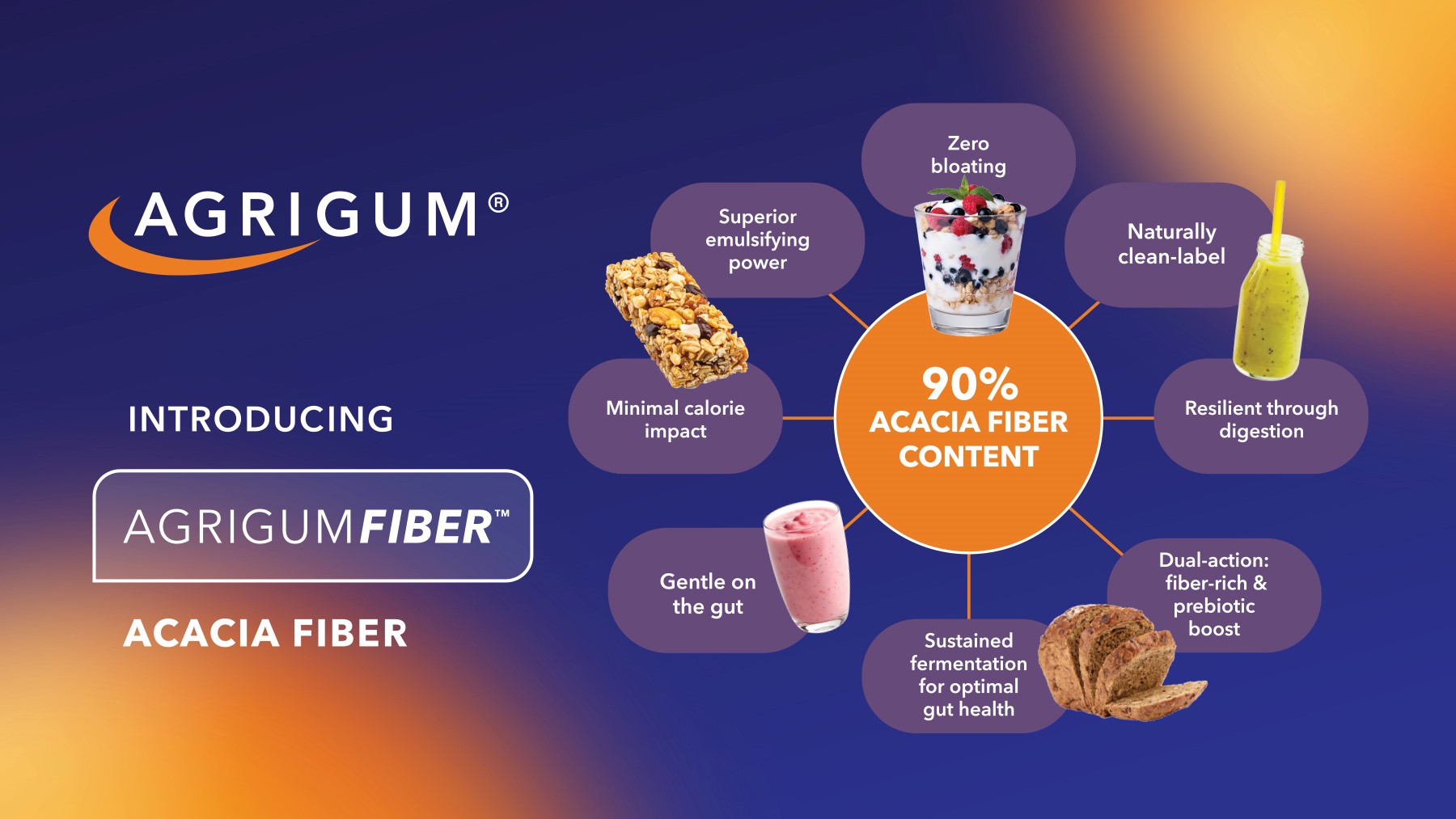
Agrigum Redefined FIBER
27 Oct 2025
Agrigum has transformed gum acacia into a natural, science-backed fibre that supports gut health, sustainability, and innovation across global food and nutrition applications.
Read more
Expanding boundaries in food & beverage innovation
23 Oct 2025
IMCD and FrieslandCampina Professional expand partnership to deliver Kievit® across EMEA, enabling brands to enhance quality and accelerate time-to-market for tomorrow’s food & beverage creations.
Read more
Amazon Grocery launch aims to balance quality with affordability
22 Oct 2025
Global e-commerce giant Amazon has introduced a new private-label food brand, combining existing Amazon Fresh and Happy Belly products with new everyday items.
Read more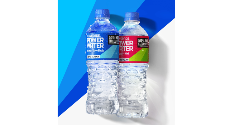
Powerade enters hydration space with launch of Power Water
21 Oct 2025
Coca-Cola’s Powerade brand has launched a zero-sugar, electrolyte-enhanced functional water, marking the brand's entry into the hydration space.
Read more