
News
Halal halo: Taste, authenticity, and convenience widen Halal food’s appeal
14 Sep 2023
As Halal food continues to enjoy healthy retail sales, the rise of street food, ‘Grab & Go,’ and snackification is set to satisfy an evolving demographic’s desire for new flavours and food experiences.
In a new report by food futurologist Lyndon Gee, changing consumer profiles coupled with a growing Muslim population, will mean increasing numbers of consumers opt for Halal food based on its appeal and not just for faith-based reasons.
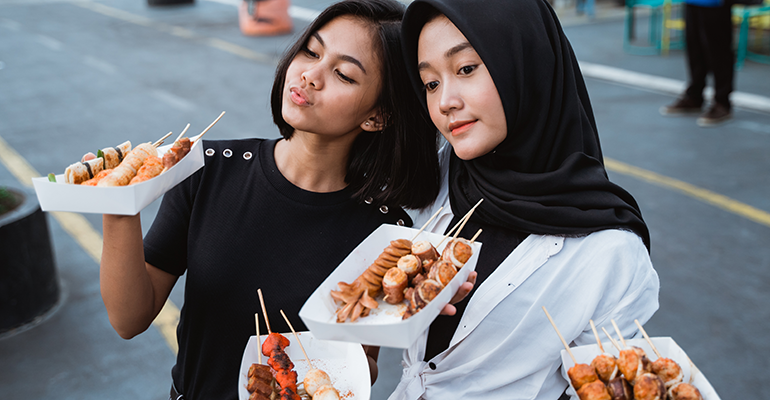
This appeal extends to dietary requirements such as organic, vegan, and plant-based options that mirror wider food trends and the switch to sustainable, meat-free choices.
“Over the next five to 10 years, the Halal food market is poised for huge growth,” said Gee, whose report was commissioned on behalf of Takul, a UK-based brand which makes Halal convenience foods.
“The increasing global Muslim population, coupled with rising awareness of Halal dietary practices, will be a significant driver of this expansion.
“The fast-paced lifestyles of urban populations will continue to fuel the demand for convenient, ready-to-eat Halal options, driving the growth of the Halal grab-and-go market, and cook-chill and frozen ready meals.”
Trust and authenticity a priority as Halal certification standards standardise
Along with taste, flavour and convenience, the report goes on to identify certification as an important consideration, with trust and authenticity key to an assured consumer purchase.
Certifying food as Halal has become more streamlined across the world, with standards harmonised between different countries, making it easier to trade between nations.
Due to the stringent regulations in attaining Halal certification, Halal cuisine has evolved from being a religious dietary choice to a perceived assurance of safe, healthy, hygienic and reliable food, the report said, adding that this was particularly true in countries where production standards for non-Halal foods were not as strict.
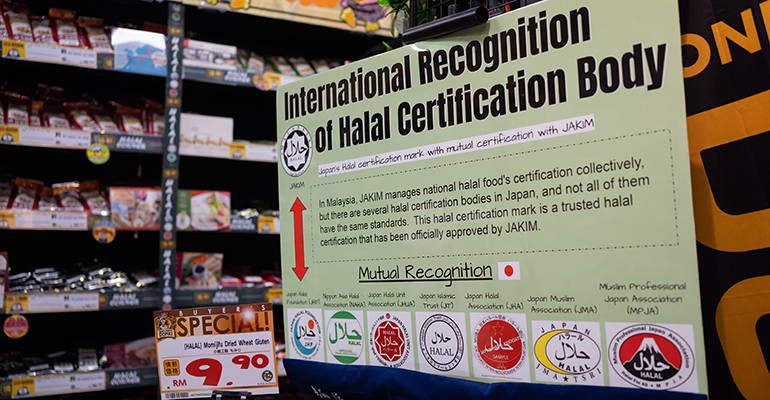 Pictured: Supermarket in Malaysia highlights the International Recognition of Halal Certification Body | © AdobeStock/JCM
Other challenges, according to Walid El Orra, head of international business relations and development at CDIAL Halal, a global Halal food certifier, is supply chain integrity that further feeds into consumer trust.
“Ensuring the integrity of the Halal supply chain is paramount,” said El Orra. “From sourcing ingredients to production, storage, and distribution, maintaining Halal standards requires a concerted effort from all stakeholders.
“Collaboration among suppliers, manufacturers, and certification bodies is essential to establish transparency and build trust.”
Gee acknowledged that the Halal market faced challenges across sourcing, preparation, and marketing as finding reliable suppliers that met Halal standards and could provide consistent quality was demanding.
“Pricing may also be higher for halal options, due to costs associated with certification, locating specialised ingredients, and maintaining proper preparation processes,” he added.
Halal food across Europe: Retail and startups
The report goes on to discusses the business of Halal where its demand has been met by the mainstream, particularly in the UK. Here the Muslim population is predicted to rise from just under four million today to 13m in 2050.
The population here is well served with retail giants Tesco introducing an in-store Halal-meat counter in 2010. Fellow supermarkets Sainsbury’s followed suit and in June 2022, The Halal Food Company launched five ready-made meals in the supermarket.
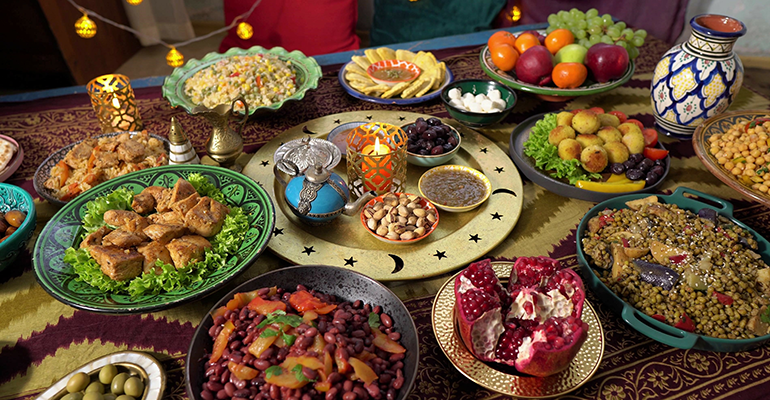 Pictured: Traditional Middle Eastern cuisine | © AdobeStock/Fevziie
The company offers beef lasagna, shepherd’s pie, macaroni pasta with meatballs, a snack pot of chicken curry and basmati rice, and peri-peri stir fry with grilled chicken.
The retail giants are also competing with a number of startups and more established brands that include London-based Haloodies, Raynor Foods, and Takul.
Across Europe, estimates suggest that Muslims make up approximately 5-10% of France’s total population, where mainstream chains such as KFC and Nandos use Halal chicken to cater to cities with a high Muslim population such as in Paris, Lyon, Marseille, and Toulouse.
In February 2022, Berlin-based startup GetHalal Group made the food delivery service industry its focus with its "One-stop Halal Shop" for Muslims living in Europe.
Established in Berlin, the startup specialises in fast delivery of Halal fresh meat, poultry, fish and groceries to people in Germany with a view to expand throughout Europe in the future.
“The rise of e-commerce and online food delivery platforms will further accelerate the accessibility of Halal food products, allowing businesses to tap into a broader customer base and cater to various dietary preferences,” predicted Gee in his report.
“Incorporating Halal food options to your offering leads to increased revenue, broader customer reach, diversified offerings, and enhanced brand reputation.”
Related news

UK Government overhauls childhood obesity strategy
21 Nov 2025
The UK Government has announced a new package of measures designed to reverse the nation’s childhood obesity epidemic following the release of statistics revealing the scale of the crisis.
Read more
How younger consumers are redefining ingredient choices and rejecting brand loyalty
18 Nov 2025
Gen Z and millennial consumers’ preferences for transparency, functionality, and purpose are “redefining the very nature of consumption itself”, says SPINS.
Read more
New UPF standard hoped to offer consumers ‘coherence and clarity’
10 Nov 2025
Ingredients companies are being urged to enter “a new era of partnership and innovation” following the launch of the industry’s first non-UPF verification scheme.
Read more
Ingredient quantities mislabelled on popular protein bars, independent tests show
5 Nov 2025
Some popular protein bars contain more fat, carbs, and/or sugars than claimed on their labels, independent nutrition testing reveals.
Read more
Does promoting protein content push up plant-based sales?
27 Oct 2025
Promoting the protein content of meat-free products is a more effective sales strategy than adding carbon labels, a study of UK bakery chain Greggs suggests.
Read more
Supplement shoppers seek storytelling and science-backed suppliers
17 Oct 2025
Supplement consumers want specific health benefits that focus on prevention and personalisation, according to data from HealthFocus International.
Read more
Food fraud risks rise as brands fight economic and environmental headwinds
10 Oct 2025
Climate change, geopolitics, regulations, and demand for sustainable products are pushing up food fraud and adulteration risks, warns a world-leading food fraud expert.
Read more
The growing appeal of nutrient-dense food claims
2 Oct 2025
Nutrient-dense claims are rising as consumers reject the “empty calories” of UPFs in favour of products that provide meaningful nutrition with every calorie, Mintel data shows.
Read more
What does MAHA mean for the US nutraceutical industry?
30 Sep 2025
Industry associations have expressed mixed reactions to new policy directions on health and nutrition under the Make America Health Again (MAHA) banner.
Read more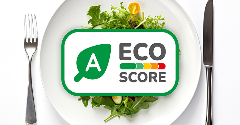
Eco-Score labels improve consumer identification of sustainable foods
22 Sep 2025
The presence of a front-of-pack Eco-Score label improves consumers' accuracy in identifying sustainable food products from 52% to 72%, a study suggests.
Read more