
News
Gen Z prefer natural, practical
29 Apr 2016Taught to make healthy choices from a young age, Gen Z college students take that lesson seriously when reaching for beverages according to a new survey from industry consultants Beverage Marketing Corporation (BMC) and Fluent
Taught to make healthy choices from a young age, Gen Z college students take that lesson seriously when reaching for beverages according to a new survey from industry consultants Beverage Marketing Corporation (BMC) and Fluent, a college marketing and insights agency. Practicality and natural products are preferred - while artificial ingredients and crazy fads are likely to cue a collective eye–roll, the researchers say. The survey of undergraduates is claimed to offer clear direction to those who make, distribute and sell beverages to Gen Z: keep it simple and know your niche.
"From early–kindergarten lectures to constant health–related headlines on their phones, this generation knows about having to proactively make their own choices and not just take things at face value," said Fluent EVP Michael Carey. "And while they reach for water first, there are opportunities for other beverages to fill niche roles, if they know where to look.""As Gen Z matures, there are exciting opportunities for our industry to engage with these consumers in a positive way," said Beverage Marketing Corporation Chairman and CEO Michael Bellas. "We look forward to sharing how companies can reinforce strengths and create new experiences by listening to what this newest and typically hard–to–access audience has to say."According to the survey the key takeaways are:+ Bottled water is THE top beverage purchase – 43% consume it 7+ times per week, with coffee (hot or iced, not specialty) next at 22%.Brewed tea was third at 12% in that category, and then beer at 9%. Hydration/thirst was the number one reason students pick up something to drink.+ Asked about future consumption, 42% plan to drink more bottled water and only 8% less of it, and 22% of students expect to drink more brewed tea, against 7% saying less. Barring significant innovation, soda is likely to continue its decline, with 33% planning to drink less against 3% to drink more. This correlates with recent data from BMC that finds bottled water is the second most popular beverage in the U.S., likely to overtake carbonated soft drinks' supremacy late 2016 or in 2017.+ While they find bottled water tastes better than tap water, 59% try to fill up water bottles and/or use a filtered water system on a regular basis. Still, nearly 20% of students rely solely on bottled water over tap or filtered, for many of the same reasons bottled water scores over other non–alcoholic beverages: It's healthier, more convenient and easier to find.+ Students read labels, 43% regularly and 38% at least sometimes. The top three descriptors influencing purchase are "all–natural" (52%), "low–calorie" (37%), and to a lesser extent, "organic" (36%), with "vitamin–enhanced" at 31% and "zero–calorie" at 27%.+ Around half of all students say they try to avoid artificial sweeteners, flavouring, preservatives, and high–fructose corn syrup. The sweetener they are most okay with is cane sugar (55%).+ The top reasons they try beverages? Students cite friends' picks (52%), "healthy/good for you" (49%), free samples (37%), interesting flavours (36%) and sale/ promotions (25%).+ Sports drinks have clear roles. 37% of respondents drink them for hydration and recovery, 14% drink them for taste, and 13% to quench their thirst. They drink them most often while working out (54%) vs. before or after, to combat hangovers (46%), then because they are thirsty (45%).+ Pick–me–up choices were campus classics. The top go–to beverage was coffee at 49%, and then brewed tea at 15%. Water tied for third at 13% with soda, which seems to be a key messaging opportunity for carbonated soft drinks – ahead of energy drinks (8%).+ 74% of respondents say they do consume alcohol and 81% of those do drink beer on occasion. Asked what they prefer most, beer had a slight edge, with it, wine and spirits somewhat equal.+ When it comes to mixers, students reach first for soda (37%), and then juice (35%), followed by seltzers (10%).The survey was conducted March 15 – 21, 2016 and polled 1,010 undergraduate respondents across the USA. A third were under 21 years of age, with data on use of alcohol reflecting demographics. Survey results will be published and put in context in a BMC market report entitled U.S. Student Beverage Consumption and Attitudes.Related news
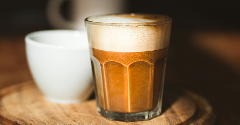
Oat Barista: Innovation for game-changing beverages
20 Nov 2025
Oat Barista is a clean label, sustainable, and innovative drink base specifically designed to create the perfect foam in one single ingredient.
Read more
How younger consumers are redefining ingredient choices and rejecting brand loyalty
18 Nov 2025
Gen Z and millennial consumers’ preferences for transparency, functionality, and purpose are “redefining the very nature of consumption itself”, says SPINS.
Read more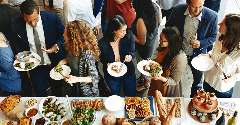
Hybrid formats and flexible positioning to disrupt category norms in 2026
17 Nov 2025
Trend forecasters expect food and drink to move more fluidly across occasions, functions, and formats as consumers seek versatility, novelty, and convenience.
Read more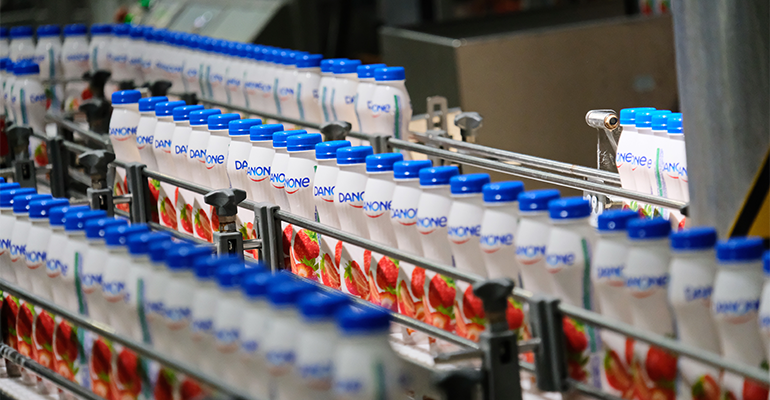
Danone highlights digestive health as potential ‘tipping point’ for food industry
13 Nov 2025
Danone is betting on a food industry “tipping point” that will bloat the market for healthy products, particularly those related to gut health.
Read more
New UPF standard hoped to offer consumers ‘coherence and clarity’
10 Nov 2025
Ingredients companies are being urged to enter “a new era of partnership and innovation” following the launch of the industry’s first non-UPF verification scheme.
Read more
Faravelli at Fi Europe: Showcasing FARA® functional solutions for food and nutra
28 Oct 2025
At Fi Europe 2025 in Paris (stand 72M39), Faravelli showcases FARA® Customized Functional Solutions and a wide ingredient portfolio for food and nutra – delivering quality, innovation, and expertise.
Read more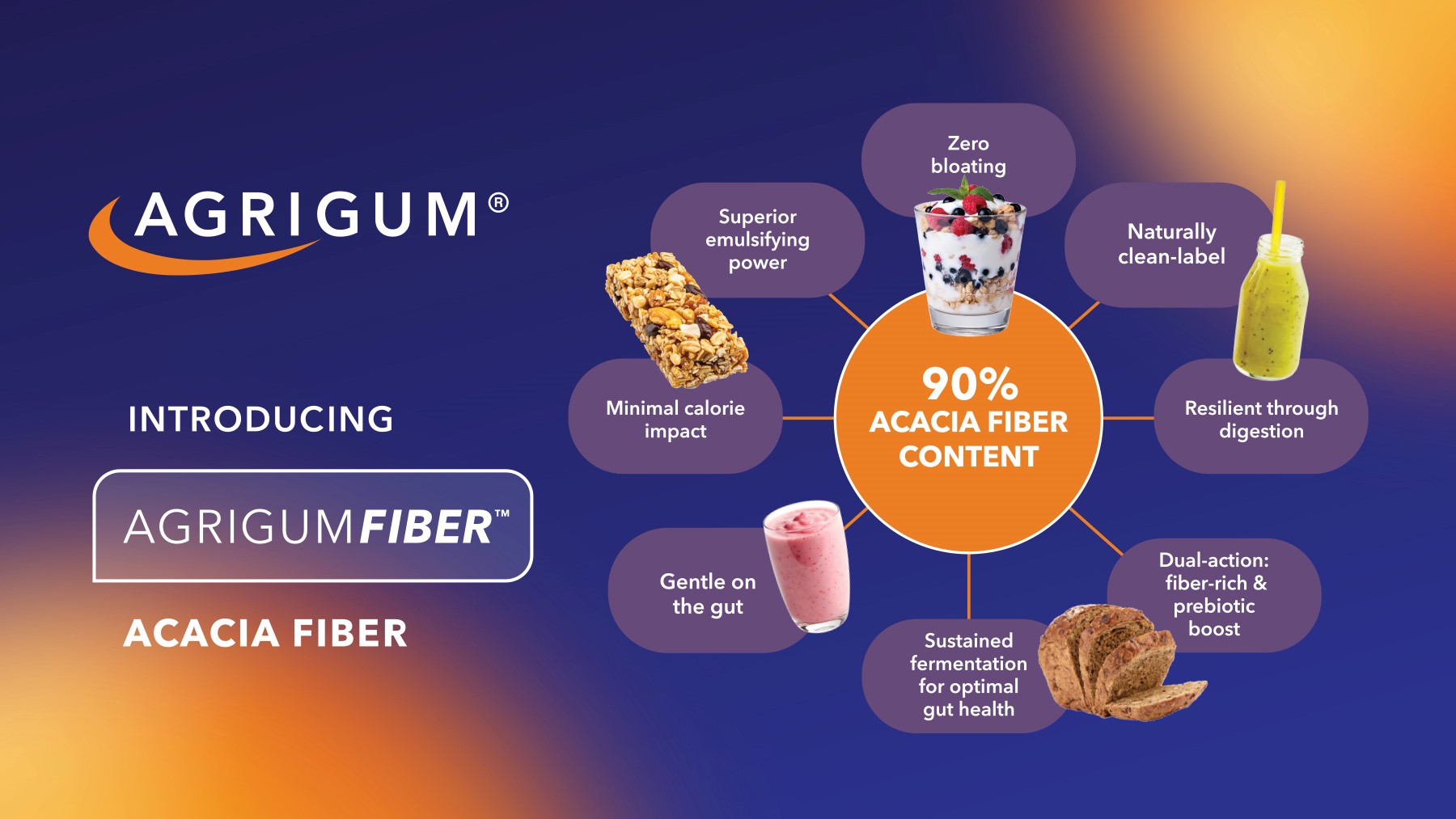
Agrigum Redefined FIBER
27 Oct 2025
Agrigum has transformed gum acacia into a natural, science-backed fibre that supports gut health, sustainability, and innovation across global food and nutrition applications.
Read more
Expanding boundaries in food & beverage innovation
23 Oct 2025
IMCD and FrieslandCampina Professional expand partnership to deliver Kievit® across EMEA, enabling brands to enhance quality and accelerate time-to-market for tomorrow’s food & beverage creations.
Read more
Amazon Grocery launch aims to balance quality with affordability
22 Oct 2025
Global e-commerce giant Amazon has introduced a new private-label food brand, combining existing Amazon Fresh and Happy Belly products with new everyday items.
Read more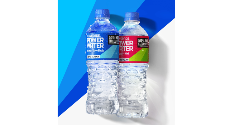
Powerade enters hydration space with launch of Power Water
21 Oct 2025
Coca-Cola’s Powerade brand has launched a zero-sugar, electrolyte-enhanced functional water, marking the brand's entry into the hydration space.
Read more