
News
Could flies fix the global food waste problem?
5 Jun 2025Black soldier flies could offer a sustainable solution for reducing food waste, research from Purdue University in the US suggests.
A research study investigating the properties of the black soldier fly in addressing food waste found that the species can be used to transform waste management and animal feeding practices to benefit the food and agricultural industries.
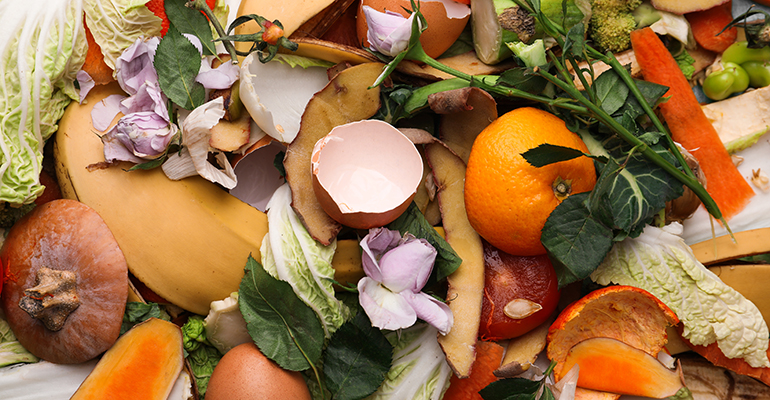
“There is power in these tiny soldier flies, and it is an exciting time to see the benefit we can provide to our farmers not only here in Indiana but around the world as we continue to search for ways to reduce waste safely while also producing a new protein source,” said Laura Ingwell, assistant professor of fruit and vegetable pest management in the Department of Entomology at Purdue University.
After analysing the relationship between waste reduction and livestock nutrition, Ingwell described the insects as “gamechangers” that can help find a sustainable way to support farmers and the environment.
Combating food waste is a global sustainability challenge
The United Nations Environment Programme’s (UNEP) Food Waste Index Report 2024 found that food waste has a harmful impact on the global economy and is a driver behind climate change, nature loss, and pollution.
The report found that global food waste amounted to 1.05 billion tonnes in 2022 – equivalent to almost one-fifth of all food available to the global population. In addition, 783 million people worldwide were impacted by hunger, and a third faced food insecurity.
Finding solutions to food waste to improve food security is an important global target. The UN’s Sustainable Development Goal (SDGs) 12.3 strives to achieve sustainable consumption and production patterns. By 2030, the UN aims to see the world’s food systems halve the per capita global food waste figures in the retail and consumer sectors.
Black soldier flies provide a sustainable solution to food waste
A growing body of research is tipping black soldier flies as a promising recycling agent. A 2021 study exploring the global population of the black soldier fly and its role in agriculture found the insect had potential in the insect-livestock sector.
The scientists came from worldwide institutions, including the California Department of Food and Agriculture, the University of Cambridge, and the Department of Entomology at the National Chung Hsing University, among others.
They found that the black soldier fly, officially called the Hermetia illucens, was “the most promising insect candidate for nutrient recycling through the bioconversion of organic waste into biomass”.
Researchers also found that utilising this specific fly species for agricultural purposes in the food industry enhances the sustainability of protein supplies, which could be used in the animal feed sector and help move towards a circular economy.
A novel approach to composting
Black soldier flies specifically play a beneficial role in composting. The Purdue University research into the species found that they provide a faster, safer, and more effective way to convert organic waste into valuable resources.
The fly species undergoes a complete metamorphosis and is found on every continent except Antarctica, providing an interesting and accessible food waste management option. They consume dead, decaying organic materials, consume a lot, and rapidly undertake the entire composting process.
“The amount of waste this tiny fly can produce from its work is vast,” said Ingwell.
Traditional composting, which is often used to tackle food waste, requires bacteria and fungi to break down a material’s components. However, this method does have challenges, and the researchers recommend avoiding it when composting meat, dairy, and cooked foods.
“The process is so slow that you can get harmful pathogenic bacteria present or unwanted visitors such as raccoons, skunks, and opossums pillaging the pile,” she added.
Black soldier flies work quickly to break down materials and remove pesticide and pharmaceutical residues.
“These flies eat so quickly that there isn’t an opportunity for those pathogenic bacteria or fungi to colonise,” said Ingwell. “We open a whole new world of waste solutions when introducing the black soldier fly to backyard composting and beyond.”
Related news

Bone broth: From old-fashioned to en vogue
24 Nov 2025
OXO’s entry into bone broth has turned the spotlight on this small but high-performance category – and there is still scope for growth, especially in the area of GLP-1 support.
Read more
UK Government overhauls childhood obesity strategy
21 Nov 2025
The UK Government has announced a new package of measures designed to reverse the nation’s childhood obesity epidemic following the release of statistics revealing the scale of the crisis.
Read more
Nitrites: Pressure grows on UK to follow EU’s lead
20 Nov 2025
Pressure is growing on the UK to follow the EU’s lead after the bloc revised its regulations on the permitted levels of nitrites and nitrates in cured meats.
Read more
Matcha madness: Why green is this year’s hottest colour
19 Nov 2025
Five years ago, it was a struggle to find matcha outside of Japan. Now it seems to be popping up everywhere, from coffee shops to supermarket shelves.
Read more
How younger consumers are redefining ingredient choices and rejecting brand loyalty
18 Nov 2025
Gen Z and millennial consumers’ preferences for transparency, functionality, and purpose are “redefining the very nature of consumption itself”, says SPINS.
Read more
Hybrid formats and flexible positioning to disrupt category norms in 2026
17 Nov 2025
Trend forecasters expect food and drink to move more fluidly across occasions, functions, and formats as consumers seek versatility, novelty, and convenience.
Read more
Danone highlights digestive health as potential ‘tipping point’ for food industry
13 Nov 2025
Danone is betting on a food industry “tipping point” that will bloat the market for healthy products, particularly those related to gut health.
Read more
Soy story: WWF scores UK supermarkets on sustainability efforts
12 Nov 2025
WWF has published its latest “Soy Scorecard”, ranking UK supermarkets’ efforts to combat deforestation and land conversion in their soy supply chains.
Read more
New UPF standard hoped to offer consumers ‘coherence and clarity’
10 Nov 2025
Ingredients companies are being urged to enter “a new era of partnership and innovation” following the launch of the industry’s first non-UPF verification scheme.
Read more
Cottage cheese makes a comeback as consumers call for cleaner labels
6 Nov 2025
From ice cream to dips and ready meals, cottage cheese is experiencing a renaissance as a high-protein, clean ingredient for health-conscious consumers.
Read more