
News
Beverages: it's all about taste
29 Mar 2016While America’s non-alcoholic beverage market is shifting in favour of better-for-you alternatives, new research from Mintel reveals that taste/flavour (72%) is by far the main influencer for consumers when drinking preferred beverages.
While America’s non-alcoholic beverage market is shifting in favour of better-for-you alternatives, new research from Mintel reveals that taste/flavour (72%) is by far the main influencer for consumers when drinking preferred beverages, with health/nutritional attributes (21%) and functional attributes (16%) far less influential. Today, cross-category beverages are becoming increasingly more available as brands attempt to cater to consumers’ better-for-you demands while also delivering innovative new flavour options.
The top three categories of non-alcoholic beverages saw stagnant or declining sales from 2014-2015, with carbonated soft drinks (CSDs) (0.1% growth), juice (0.1% growth) and dairy milk (7% decline) suffering the most. This comes as trending beverage categories, including energy drinks (8.9% growth) and coffee (8.7% growth), experienced strong sales growth.Although the majority of consumers drink juice (66%), CSDs (64%) and dairy milk (64%), Mintel research indicates consumers are looking for alternative drink options. In fact, two thirds (67%) of Americans sometimes or frequently purchase new/different beverages, and 18% say they drink a wide variety of beverages.“While the non-alcoholic beverage market is innovating to address consumer interest in healthy options, taste and flavour remain the most influential reasons for consumption. No matter how healthy a drink is, if it doesn’t taste good consumers won’t buy it, and the amount of available products on the market makes it easy for consumers to simply move to another option,” said Elizabeth Sisel, Beverage Analyst at Mintel. “Sales trends suggest the better-for-you movement is reshaping the non-alcoholic beverage industry, but brands should consider a stronger focus on communicating flavor, in addition to health-centric or function attributes, of cross-category products.”While cross-category beverages present an opportunity for brands to meet trending consumer preferences, they also present new challenges. As highlighted by the Mintel Trend Guiding Choice, the sheer number of options in the marketplace can be overwhelming for consumers: one in five (21%) say there are too many beverage choices. Further, the majority of consumers do not strongly favor hybrid beverages, with just 14% of consumers agreeing hybrid drinks are more interesting than non-hybrid drinks, and less than one in 10 think they are better tasting (8%) or healthier (7%) than non-hybrids. Nearly one quarter (24%) of Americans agree that hybrid drinks have too many calories, while one in five (20%) say they taste artificial.“The emergence of cross-category beverages has led to the development of new drink fusions, and the array of beverage options can be overwhelming for some consumers. This presents big challenges for brands looking to retain their customer base without polarizing those who are inundated by the growing selection of beverage options. Adding to overall category confusion, some consumers struggle to identify certain drink fusions. It is essential that brands use clear messaging to illustrate what sets products apart,” continued Sisel.Despite the challenges facing cross-category drinks, Mintel research reveals that consumers are willing to try new/different beverages: nearly half (48%) of consumers enjoy the wide selection of beverages available in-store. What’s more, two in five (40%) consumers would be encouraged to purchase a new beverage offering if there was a sample they could try in-store first.“There are many opportunities for beverage brands to engage with consumers and encourage trial of cross-category products. Our research suggests that brands should offer consumers the opportunity to taste-test new products before committing to a purchase, such as free product trial or in store sampling. This could help cut down on consumers’ product confusion and the sense of being overwhelmed by too many options,” concluded Sisel.Related news
Oat Barista: Innovation for game-changing beverages
20 Nov 2025
Oat Barista is a clean label, sustainable, and innovative drink base specifically designed to create the perfect foam in one single ingredient.
Read more
How younger consumers are redefining ingredient choices and rejecting brand loyalty
18 Nov 2025
Gen Z and millennial consumers’ preferences for transparency, functionality, and purpose are “redefining the very nature of consumption itself”, says SPINS.
Read more
Hybrid formats and flexible positioning to disrupt category norms in 2026
17 Nov 2025
Trend forecasters expect food and drink to move more fluidly across occasions, functions, and formats as consumers seek versatility, novelty, and convenience.
Read more
Danone highlights digestive health as potential ‘tipping point’ for food industry
13 Nov 2025
Danone is betting on a food industry “tipping point” that will bloat the market for healthy products, particularly those related to gut health.
Read more
New UPF standard hoped to offer consumers ‘coherence and clarity’
10 Nov 2025
Ingredients companies are being urged to enter “a new era of partnership and innovation” following the launch of the industry’s first non-UPF verification scheme.
Read more
Faravelli at Fi Europe: Showcasing FARA® functional solutions for food and nutra
28 Oct 2025
At Fi Europe 2025 in Paris (stand 72M39), Faravelli showcases FARA® Customized Functional Solutions and a wide ingredient portfolio for food and nutra – delivering quality, innovation, and expertise.
Read more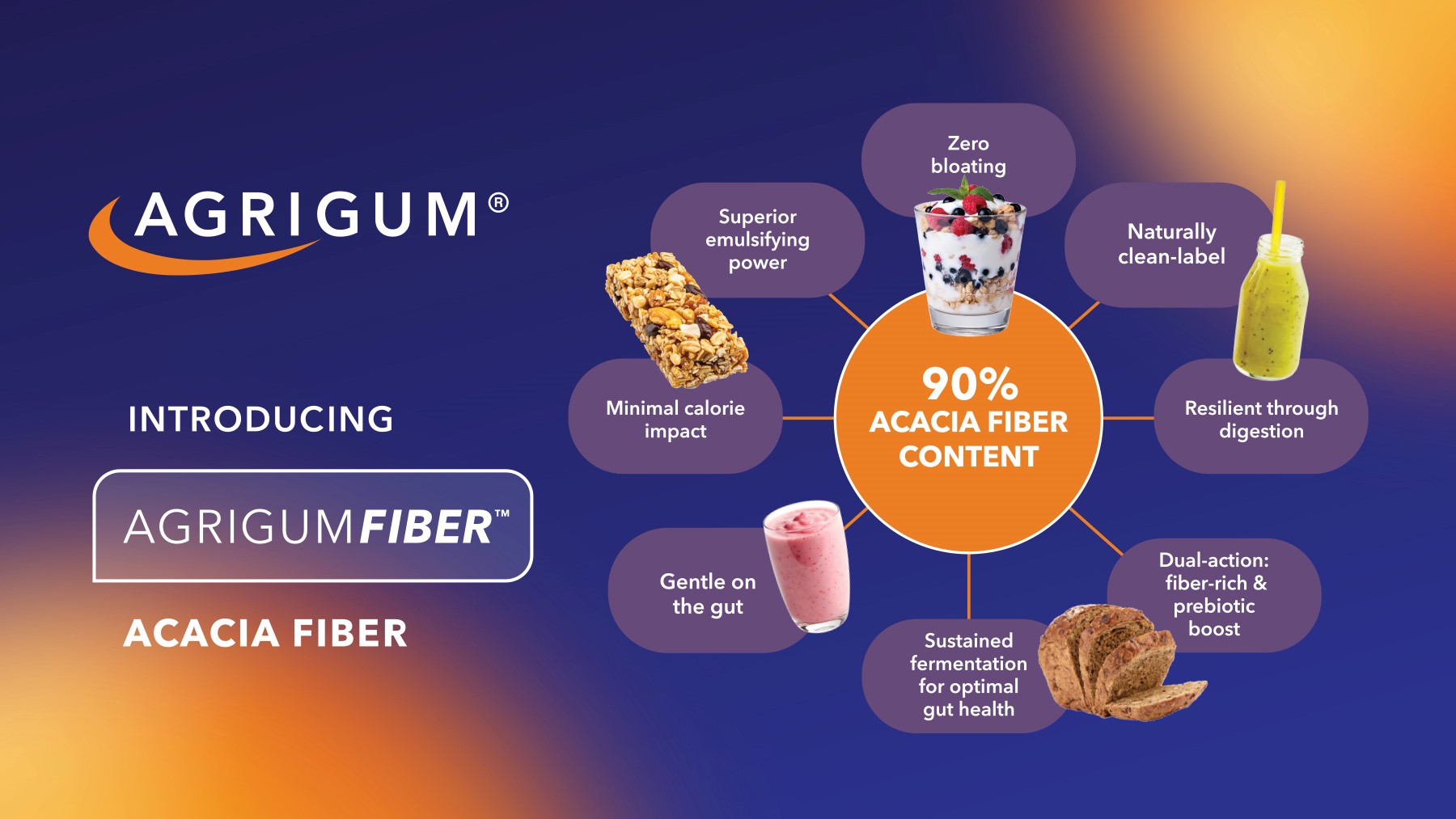
Agrigum Redefined FIBER
27 Oct 2025
Agrigum has transformed gum acacia into a natural, science-backed fibre that supports gut health, sustainability, and innovation across global food and nutrition applications.
Read more
Expanding boundaries in food & beverage innovation
23 Oct 2025
IMCD and FrieslandCampina Professional expand partnership to deliver Kievit® across EMEA, enabling brands to enhance quality and accelerate time-to-market for tomorrow’s food & beverage creations.
Read more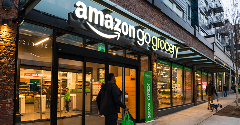
Amazon Grocery launch aims to balance quality with affordability
22 Oct 2025
Global e-commerce giant Amazon has introduced a new private-label food brand, combining existing Amazon Fresh and Happy Belly products with new everyday items.
Read more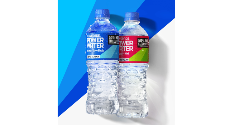
Powerade enters hydration space with launch of Power Water
21 Oct 2025
Coca-Cola’s Powerade brand has launched a zero-sugar, electrolyte-enhanced functional water, marking the brand's entry into the hydration space.
Read more