
News
Are fertility-focused foods the next functional frontier?
15 Oct 2025Insights provider Tastewise has named functional foods that focus on fertility and hormonal health as one of its top global trends for 2026.
According to the report, food and beverages that focus on fertility and hormonal health are a core part of the industry’s cultural reset.

Access to fertility and reproductive support is uneven. According to the American Hospital Association, 15% of pregnant people lack adequate prenatal care.
Furthermore, the US National Women’s Center has found that 20% of pregnant people live in food deserts – communities with limited access to food – with 409,000 women in overlapping maternity and food deserts. Manufacturers are tapping into fertility-focused foods to offer nutritional support.
As the health and wellness trend in food evolves, health has become a customisable operating system and food acts as a tool for calibration.
Demand for products to help with hormone balance has grown by 65% year-on-year. In 2026, fertility health is expected to expand beyond supplements to include beverages, snacks, and condiments.
Ingredients revolve around nutrition and tap into adaptogens
According to Tastewise data, there is consistent growth across a cluster of nutrient-dense and adaptogenic ingredients within food launches geared towards fertility and hormone health.
“Consumers are choosing these foods based on clear functional needs,” Miriam Aniel Oved, head of integrated marketing at Tastewise, told Ingredients Network.
Ashwagandha, an evergreen shrub known for its potential to help lower anxiety, features in 48% more drink recipes and content tagged for stress and hormone balance in 2025 compared with 2024.
The South American plant maca appears in 23% more recipes for fertility-focused foods this year, especially in smoothies and functional beverages.
Meanwhile, 29% of fertility food launches highlight mood or stress support, mostly through adaptogenic ingredients like ashwagandha and maca.
Tastewise data shows that 37% of fertility-related food content mentions hormone balance and 24% references improving sperm or egg health through nutrients like selenium and zinc.
Inflammation management is also a popular claim, appearing in more than 21% more fertility-focused recipes this year, which include ingredients such as turmeric, leafy greens, and seeds.
Leafy greens, such as spinach and kale, are included in 31% of top-performing recipes tied to reproductive wellness.
Seeds and nuts are proving popular in functional food for fertility and hormone health. Chia seeds have experienced a 19% increase in functional food recipes, particularly in breakfast and snack items.
Pumpkin seeds, valued for their zinc content, are used in 14% more fertility-related recipes than in 2024.
Meanwhile, Brazil nuts appear in 12.2% of recipe searches that include fertility-related tags.
“These numbers reflect that fertility foods are being used not just for nutrition but also for managing stress and inflammation,” Oved said.
Product developments blend familiarity, function and new twists
Fertility-related ingredients are appearing in various product formats.
“Consumers are choosing fertility-focused foods that are convenient, versatile and aligned with daily routines,” said Oved.
Tastewise’s research found that fertility-supportive blends, which claim to contain superfood powders, appear in 40% more recipes compared to the previous year.
“New launches reflect the integration of fertility-supportive ingredients into familiar product types,” said Oved.
For instance, the report identifies condiments as a surprising source of functional benefits linked to reproductive health. Women are three times more likely than men to consider the health benefits of condiments and are also 45% more likely to try new condiments.
Generation Z consumers are 43% more likely to opt for condiments to support hormone balance than millennials.
Ready-to-drink beverages with maca, greens or ashwagandha have increased by 48% in 2025 compared to 2024. Functional smoothies combining maca, chia, and plant-based milks have experienced a 27% increase in usage and content.
Seed-based snacks, such as energy balls and granola bars made with chia and pumpkin seeds, have shown a 33% rise across menus and recipes. Plant-based yoghurts with added zinc or hormonal health claims are up 15% in online retail appearances, too.
A global focus on fertility in food
While fertility-focused foods are trending globally, there are clear regional leaders. The US leads, with 42% of global fertility-related food content on social media.
The UK comes second with 18%, while Germany contributes 7% and Canada 6%, both showing an increasing presence in recipes and retail. Australia holds an 11% content share, with a strong interest in adaptogen-based wellness foods.
Related news

How younger consumers are redefining ingredient choices and rejecting brand loyalty
18 Nov 2025
Gen Z and millennial consumers’ preferences for transparency, functionality, and purpose are “redefining the very nature of consumption itself”, says SPINS.
Read more
Hybrid formats and flexible positioning to disrupt category norms in 2026
17 Nov 2025
Trend forecasters expect food and drink to move more fluidly across occasions, functions, and formats as consumers seek versatility, novelty, and convenience.
Read more
Empowering innovation in fortification and colouration
13 Nov 2025
Divi’s Nutraceuticals offers a large portfolio of innovative, high-quality ingredients for foods, beverages, and supplements, with bespoke solutions and expert support for product success.
Read more
From fruit to functional solutions: Meet Paradise Fruits at Fi Europe in Paris
13 Nov 2025
Paradise Fruits Solutions and Paradise Fruits Health will showcase their combined expertise in delivering innovative, fruit-based solutions to the food and beverage industry at the upcoming Fi Europe trade show (2-4 December 2025, Paris).
Read more
New UPF standard hoped to offer consumers ‘coherence and clarity’
10 Nov 2025
Ingredients companies are being urged to enter “a new era of partnership and innovation” following the launch of the industry’s first non-UPF verification scheme.
Read more
Cottage cheese makes a comeback as consumers call for cleaner labels
6 Nov 2025
From ice cream to dips and ready meals, cottage cheese is experiencing a renaissance as a high-protein, clean ingredient for health-conscious consumers.
Read more
Ingredient quantities mislabelled on popular protein bars, independent tests show
5 Nov 2025
Some popular protein bars contain more fat, carbs, and/or sugars than claimed on their labels, independent nutrition testing reveals.
Read more
Does promoting protein content push up plant-based sales?
27 Oct 2025
Promoting the protein content of meat-free products is a more effective sales strategy than adding carbon labels, a study of UK bakery chain Greggs suggests.
Read more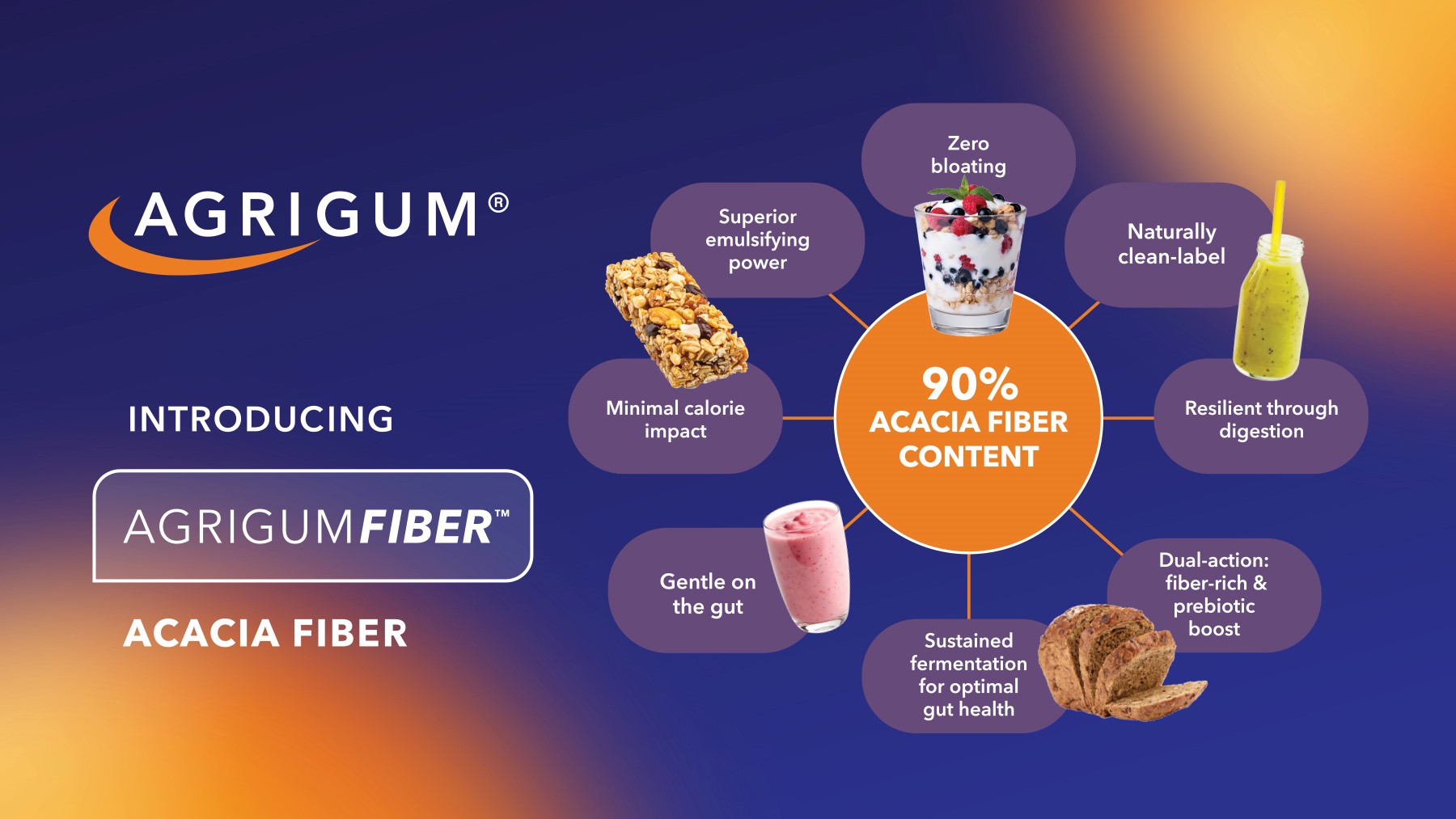
Agrigum Redefined FIBER
27 Oct 2025
Agrigum has transformed gum acacia into a natural, science-backed fibre that supports gut health, sustainability, and innovation across global food and nutrition applications.
Read more
Will Wicks’ Killer Bar harm the protein bar category?
23 Oct 2025
Joe Wicks’ deliberately dangerous protein bar is fuelling anti-UPF sentiment – but there are concerns that his messaging is misguided and could have unintended consequences.
Read more